
Complete Guide: Running Shoes by Pace and Distance
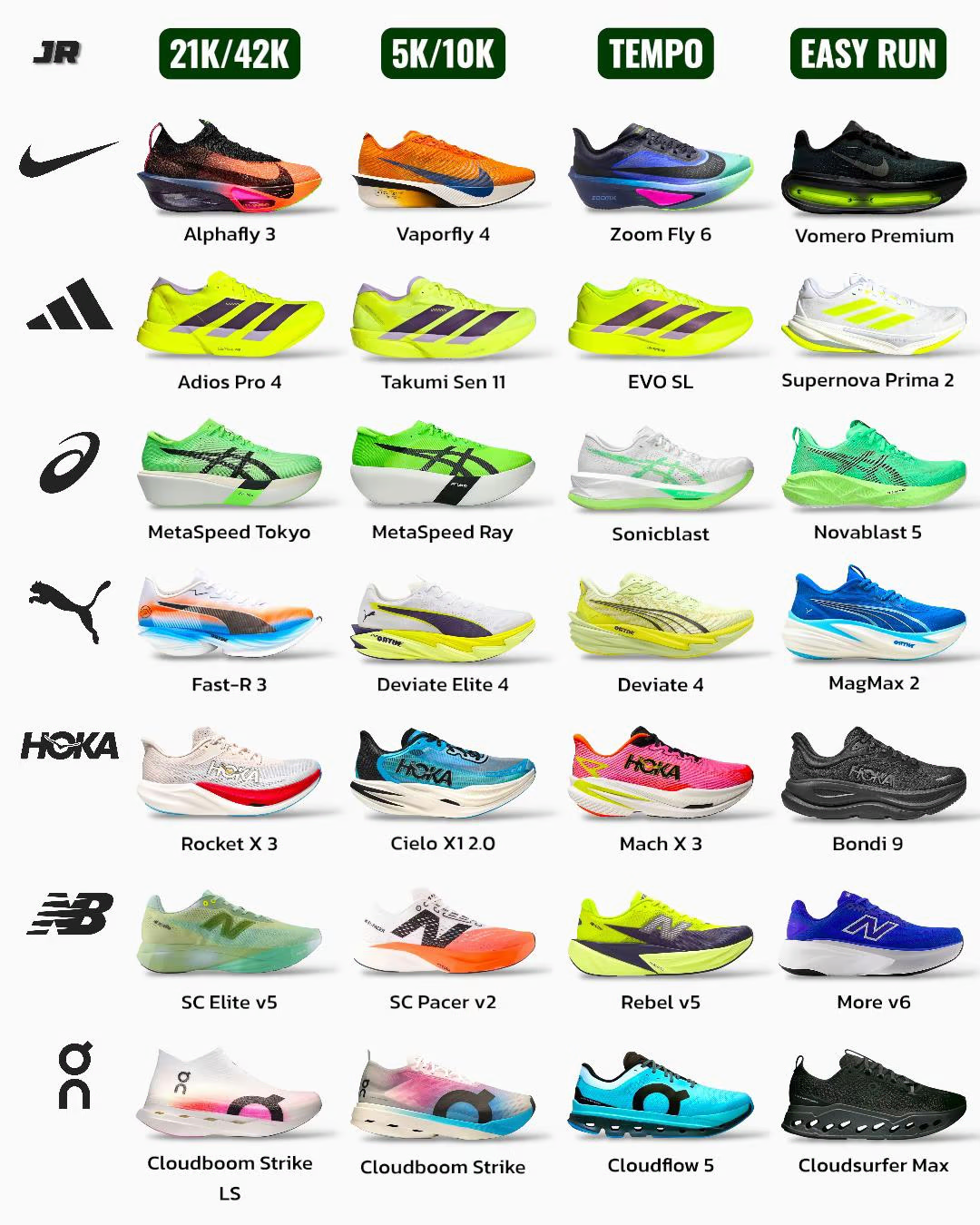
Choosing the right running shoes can make the difference between enjoying your training and suffering injuries. In this complete guide, we'll help you understand which shoes are ideal based on your pace, distance, and training type.
How to Choose Shoes Based on Your Training?
Modern running shoes are designed with specific purposes. Leading brands like Nike, Adidas, Asics, Puma, Hoka, New Balance, and On Running offer different models optimized for various training types.
Main Categories
🏃 JR (Junior/Recovery Runs)
Shoes for recovery runs and easy training. They prioritize cushioning and comfort over speed.
🏃♂️ 21K/42K (Half Marathon and Marathon)
Designed for long distances. They offer a balance between cushioning, energy return, and lightness.
⚡ 5K/10K
Shoes for short distances and faster paces. Lighter and more reactive.
🔥 TEMPO (Tempo Runs)
For controlled pace training. They combine speed with stability.
🌟 EASY RUN
Maximum cushioning for low-impact training and recovery.
Best Shoes by Brand
🔴 NIKE - Innovation and Performance
For Marathon (21K/42K):
Nike Alphafly 3 - Elite marathon shoe. Carbon plate system and ZoomX foam for maximum energy return.
Nike Vaporfly 4 - Legendary racing shoe. Perfect for breaking personal records.
Nike Zoom Fly 6 - More accessible version with similar technology to Vaporfly.
For Easy Runs:
Nike Vomero Premium - Maximum cushioning for recovery runs. Ideal for runners seeking absolute comfort.
⚫ ADIDAS - Boost Technology and More
For 5K/10K:
Adidas Pro 4 - Racing flats for short competitions.
Adidas Takumi Sen 11 - Designed by and for Japanese runners. Extremely lightweight.
Adidas EVO SL - Super light version for fast training.
For Half Marathon:
Adidas Supernova Prima 2 - Soft cushioning with energy return for middle distances.
🟢 ASICS - Japanese Comfort
For 5K/10K:
Asics MetaSpeed Tokyo - Racing shoe with carbon plate.
Asics MetaSpeed Ray - Alternative for runners with wide stride.
For Long Runs and Marathon:
Asics Sonicblast - Balanced cushioning for varied training.
Asics Novablast 5 - Maximum bounce and cushioning. Perfect for all training types.
🟡 PUMA - Speed and Style
For 5K/10K and Tempo:
Puma Fast-R 3 - Minimalist and lightweight design for pure speed.
Puma Deviate Elite 4 - Racing shoe with carbon plate.
Puma Deviate 4 - Training version with similar technology.
For Long Runs:
Puma MagMax 2 - Maximum cushioning for miles and miles.
🌈 HOKA - Maximum Cushioning
For Marathon:
Hoka Rocket X 3 - Lightweight racing shoe with carbon plate.
Hoka Cielo X1 2.0 - Designed for ultra marathons and long distances.
For Tempo:
Hoka Mach X 3 - Perfect balance between speed and cushioning.
For Easy Run:
Hoka Bondi 9 - The shoe with the most cushioning on the market. Ideal for heavy runners or recovery.
🔵 NEW BALANCE - Tradition and Technology
For 5K/10K:
New Balance SC Elite v5 - Ultra-lightweight racing shoe.
New Balance SC Pacer v2 - More affordable version for fast training.
New Balance Rebel v5 - Versatile shoe for tempo and fast training.
For Easy Run:
New Balance More v6 - Generous cushioning for runners who need extra protection.
☁️ ON RUNNING - Swiss Innovation
For 5K/10K:
On Cloudboom Strike - Racing shoe with unique plate system.
For Tempo:
On Cloudflow 5 - Perfect for controlled pace training.
For Easy Run:
On Cloudsurfer Max - Maximum cushioning with On's characteristic CloudTec system.
What Shoes Do You Need?
🎯 For Beginners
Start with shoes from the EASY RUN or JR category:
🏃♀️ For Intermediate Runners
Combine TEMPO shoes for training and 21K/42K for competitions:
- Training: Puma Deviate 4, New Balance Rebel v5
- Racing: Nike Vaporfly 4, Adidas Supernova Prima 2
🏆 For Advanced Runners
You'll need a complete arsenal:
- Recovery: Hoka Bondi 9, Nike Vomero Premium
- Tempo: Hoka Mach X 3, On Cloudflow 5
- 5K/10K: Asics MetaSpeed Tokyo, New Balance SC Elite v5
- 21K/42K: Nike Alphafly 3, Hoka Rocket X 3
Final Tips
1. Don't use racing shoes for training
Carbon-plated shoes (21K/42K, 5K/10K) are designed for racing. Using them daily can cause injuries.
2. Rotate between several pairs
Alternating between 2-3 different pairs reduces the risk of overuse injuries.
3. Replace your shoes every 600-800 km
Even if they look good, cushioning degrades with use.
4. Try before you buy
Each brand has different lasts. What works for others may not work for you.
5. Consider your weight and gait
Heavier runners need more cushioning. Consult specialists if you have excessive pronation or supination.
Conclusion
Choosing running shoes is personal and depends on multiple factors: your level, weight, objective, terrain type, and budget. The mentioned brands offer excellent options for every need.
Remember: the best shoes are those in which you feel comfortable and allow you to run pain-free. The most expensive or those used by professionals won't always be ideal for you.
Do you have questions about which shoes to choose? You can check out our athletes and discover what shoes they use to achieve their goals.
Last updated: March 1, 2026